
Pruritis (Itching) and Homeopathy
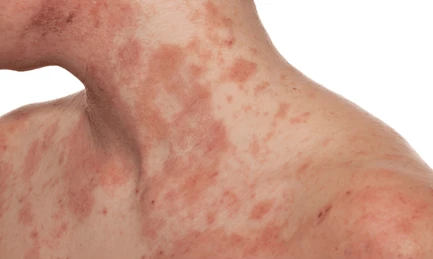
Pruritis, commonly known as itching, is an uncomfortable sensation that creates the urge to scratch the skin. It can affect a specific area or spread across different parts of the body. While occasional itching may result from dry skin or minor irritation, persistent itching can sometimes indicate an underlying skin condition or other health concern.
People searching for homoeopathic treatment for pruritis often want to understand the possible causes of itching and explore suitable treatment options. The right approach depends on the duration, severity, associated symptoms, and underlying cause of the condition. Identifying the cause is essential for effective symptom management and appropriate medical care.
What Is Pruritis?
Pruritis is the medical term for an itching sensation that may occur with or without visible skin changes. It can develop suddenly, occur intermittently, or continue for weeks or months.
Depending on the cause, itching may affect the scalp, arms, legs, back, hands, feet, or the entire body. Some people experience mild irritation, while others may develop intense itching that interferes with sleep and daily activities.
Common signs associated with pruritis include:
- Dryness, redness, or irritated skin
- Skin rashes, bumps, or raised patches
- Flaky or scaly skin
- Burning, tingling, or stinging sensations
- Increased itching at night
- Scratches, marks, or skin damage from repeated scratching
Recognising these symptoms can help a healthcare professional determine the likely cause and recommend appropriate treatment.
Common Causes of Pruritis
Itching can develop for several reasons, ranging from temporary skin irritation to underlying medical conditions.
1. Dry Skin
Dry skin is a common cause of itching, particularly during cold weather, after frequent bathing, or when using harsh soaps and skincare products.
2. Eczema and Dermatitis
Conditions such as eczema and contact dermatitis can cause itching, redness, inflammation, dryness, and skin irritation. Contact dermatitis may develop after exposure to certain chemicals, fragrances, or other irritants.
3. Allergic Reactions
Allergies to certain substances, skincare products, medicines, or environmental triggers may cause itching, rashes, or swelling.
4. Skin Infections
Fungal infections, scabies, and other skin conditions can produce persistent itching and may require specific medical treatment.
5. Excessive Sweating
Sweat, heat, and friction may irritate the skin and contribute to itching, particularly in areas where moisture accumulates.
6. Underlying Medical Conditions
In some cases, widespread itching without an obvious rash may be associated with liver or kidney disorders, thyroid problems, iron deficiency, or other medical conditions.
7. Stress and Psychological Factors
Stress can sometimes intensify the sensation of itching or aggravate existing skin conditions. However, persistent itching should not automatically be attributed to stress without appropriate evaluation.
Homoeopathic Treatment for Pruritis
People seeking homoeopathic treatment for pruritis may consult a qualified homoeopathic practitioner to discuss their symptoms, medical history, skin condition, and general health.
During a consultation, factors such as the location of itching, its duration, possible triggers, changes in skin appearance, and the presence of other symptoms may be reviewed. This information can help identify concerns that require further medical investigation.
However, there is insufficient reliable scientific evidence that homoeopathy effectively treats pruritis or its underlying causes. Homoeopathic remedies have not been established as a substitute for evidence-based treatment of skin disorders, allergies, infections, or systemic conditions.
A qualified healthcare professional can help identify the cause of itching and recommend suitable treatment. Complementary approaches should not delay medical diagnosis or necessary care.
Practical Ways to Manage Itchy Skin
Alongside appropriate medical treatment, certain everyday measures may help reduce skin irritation and protect the skin barrier.
- Moisturise regularly: Apply a fragrance-free moisturiser, especially after bathing.
- Take lukewarm showers: Avoid very hot water, which can worsen dryness and irritation.
- Choose gentle skincare products: Use mild, fragrance-free cleansers and avoid known irritants.
- Wear comfortable clothing: Choose loose-fitting clothes made from soft, breathable fabrics.
- Avoid scratching: Use a cool compress to help soothe the affected area.
- Identify possible triggers: Keep track of products, environmental factors, or activities that seem to worsen the itching.
- Maintain a comfortable environment: Excessive heat and sweating may aggravate certain itchy skin conditions.
These measures may provide temporary relief but do not replace treatment for the underlying cause.
When Should You Consult a Doctor?
Seek medical advice if itching persists for more than two weeks, repeatedly returns, affects your sleep, spreads across the body, or occurs without an identifiable cause. A medical assessment is particularly important if the itching is accompanied by unexplained weight loss, fever, unusual fatigue, or yellowing of the skin or eyes.
Seek emergency medical care if sudden itching occurs with difficulty breathing or swelling of the lips, tongue, or throat, as these may indicate a serious allergic reaction.
Frequently Asked Questions About Pruritis
1. What is the most common cause of pruritis?
Dry skin is a common cause of itching. Other causes include eczema, allergies, skin infections, medication reactions, and certain underlying medical conditions.
2. Can pruritis occur without a rash?
Yes. Itching can occur without visible skin changes. Persistent or widespread itching without a clear cause should be evaluated by a healthcare professional.
3. Is homoeopathy effective for pruritis?
There is insufficient reliable scientific evidence to establish homoeopathy as an effective treatment for pruritis. The appropriate treatment depends on identifying and managing the underlying cause.
4. How can I reduce itching at home?
Using fragrance-free moisturisers, taking lukewarm showers, avoiding irritating products, and applying cool compresses may help relieve mild itching.
5. When does itching require medical attention?
Medical evaluation is recommended when itching is persistent, severe, widespread, unexplained, or associated with other concerning symptoms.
Conclusion
Pruritis, or itchy skin, can result from several factors, including dryness, allergies, inflammatory skin conditions, infections, and certain internal health problems. Understanding the cause is an important step towards choosing appropriate treatment and preventing recurring discomfort.
If you are exploring homoeopathic treatment for pruritis, consult qualified healthcare professionals and understand the limitations of complementary treatments. Persistent or unexplained itching should be medically evaluated so that any underlying condition can be identified and treated appropriately.