
NGUINAL HERNIA AND HOMEOPATHY
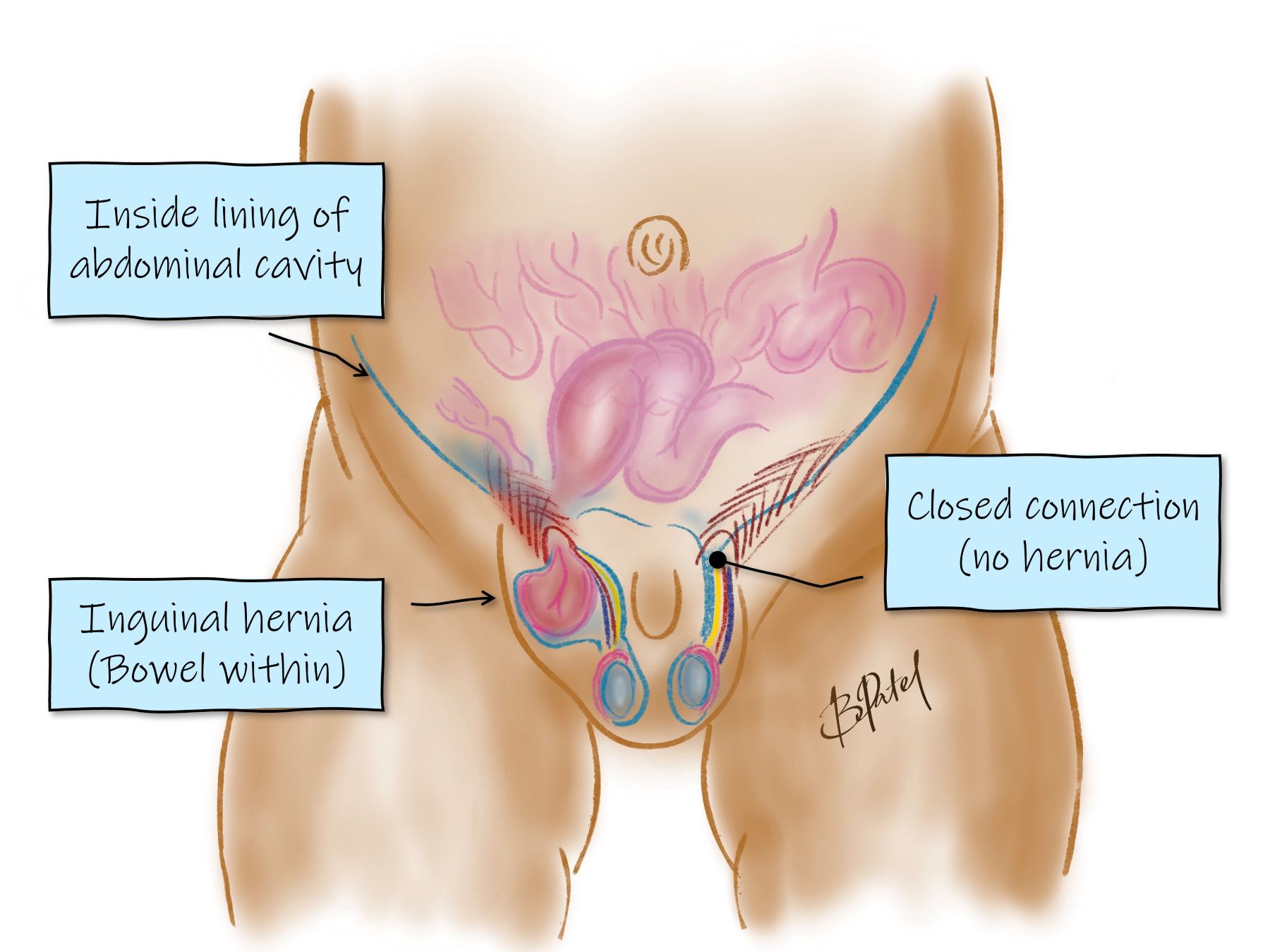
An inguinal hernia occurs when tissue, such as part of the intestine or abdominal fat, pushes through a weak area in the lower abdominal wall near the groin. It may cause a visible bulge, discomfort, heaviness, or pain, particularly when coughing, lifting heavy objects, bending, or standing for long periods.
People searching for homoeopathic treatment for inguinal hernia often want to understand the available treatment options and ways to manage their symptoms. However, an inguinal hernia does not usually heal on its own, and homoeopathy has not been proven to repair the weakened abdominal wall or cure a hernia. Medical evaluation is essential to determine the severity of the condition and the most appropriate treatment.
What Is an Inguinal Hernia?
An inguinal hernia develops when tissue protrudes through a weakened area in the abdominal wall into the groin region. It is one of the most common types of abdominal hernia and can affect people of different ages.
Inguinal hernias may be classified as direct or indirect, depending on how the tissue passes through the groin area. Some hernias cause only mild discomfort, while others may become larger or lead to serious complications if the protruding tissue becomes trapped.
Early medical assessment helps confirm the diagnosis and determine whether monitoring or surgical treatment is appropriate.
Common Symptoms of Inguinal Hernia
The symptoms of an inguinal hernia may vary depending on its size and severity. Common signs include:
- Bulge in the groin: A noticeable swelling that may become more visible when standing, coughing, or straining.
- Groin pain or discomfort: Aching, pressure, or tenderness around the affected area.
- Heaviness in the lower abdomen: A feeling of pressure or dragging in the groin.
- Discomfort during physical activity: Pain that increases when lifting, bending, or exercising.
- Burning or aching sensations: Irritation or discomfort around the hernia.
- Swelling extending towards the scrotum: In men, the hernia may extend into the scrotum and cause swelling or discomfort.
Some inguinal hernias cause few symptoms and are noticed only as a small bulge. Any new groin swelling should be assessed by a healthcare professional.
Causes and Risk Factors of Inguinal Hernia
An inguinal hernia develops when a weak area in the abdominal wall allows tissue to protrude. Several factors can contribute to its development or increase the risk.
Common risk factors include:
- Weakness in the abdominal wall present from birth
- Age-related weakening of muscles and connective tissues
- Frequent heavy lifting or strenuous physical activity
- Chronic coughing
- Long-term constipation and repeated straining
- Pregnancy-related increases in abdominal pressure
- Previous hernia or abdominal surgery
- A family history of hernias
Although some activities may make an existing hernia more noticeable or uncomfortable, an inguinal hernia is primarily associated with weakness in the abdominal wall.
Homoeopathy for Inguinal Hernia
Some people explore homeopathic treatment for inguinal hernia as a complementary healthcare option. A homoeopathic practitioner may discuss an individual’s symptoms, medical history, lifestyle, and general health during a consultation.
However, there is no reliable scientific evidence that homoeopathic remedies can close the opening in the abdominal wall, repair a hernia, or prevent serious complications. Homoeopathy should not replace a medical examination or delay appropriate surgical care.
The treatment approach depends on the hernia’s size, symptoms, and risk of complications. A qualified doctor or general surgeon can assess the condition and explain the available options.
Medical Treatment Options for Inguinal Hernia
Treatment depends on the patient’s symptoms, overall health, and the characteristics of the hernia.
- Watchful waiting: A doctor may recommend monitoring certain inguinal hernias in men who have minimal or no symptoms, with regular follow-up and clear instructions about warning signs.
- Lifestyle adjustments: Avoiding activities that trigger significant discomfort and managing constipation may help reduce strain, although these measures do not repair the hernia.
- Hernia surgery: Surgical repair is the definitive treatment for many symptomatic inguinal hernias. It involves returning the protruding tissue to its proper position and repairing the weakened abdominal wall, often using surgical mesh.
A healthcare professional can explain the benefits, risks, and timing of treatment according to individual circumstances.
When Is an Inguinal Hernia an Emergency?
An inguinal hernia can sometimes become incarcerated, meaning the protruding tissue becomes trapped, or strangulated, meaning its blood supply is compromised. These complications require urgent medical attention.
Seek emergency care if you experience:
- Sudden or severe groin or abdominal pain
- A hernia bulge that becomes hard, very tender, or cannot be pushed back in
- Red, purple, or dark discolouration over the bulge
- Nausea or repeated vomiting
- Abdominal swelling with inability to pass stool or gas
- Fever accompanied by worsening pain
Do not attempt to force a painful or trapped hernia back into place.
Why Is Early Medical Evaluation Important?
An inguinal hernia may gradually enlarge or become more uncomfortable over time. A medical examination helps confirm the diagnosis, assess the risk of complications, and determine whether observation or surgery is appropriate.
If you notice a new bulge in the groin, persistent discomfort, or pain during daily activities, consult a qualified doctor or general surgeon. Timely assessment can help you make an informed decision about your treatment.
Frequently Asked Questions About Inguinal Hernia
1. Can homoeopathy cure an inguinal hernia?
There is no reliable scientific evidence that homoeopathy can cure an inguinal hernia or repair the weakened abdominal wall. Medical assessment is important to determine the appropriate treatment.
2. Can an inguinal hernia heal without surgery?
An inguinal hernia generally does not close or heal on its own. In selected cases with minimal or no symptoms, a doctor may recommend watchful waiting. Surgery may be advised if symptoms develop or worsen.
3. Is an inguinal hernia dangerous?
Some inguinal hernias remain relatively stable, but complications can occur if tissue becomes trapped or its blood supply is cut off. Sudden severe pain, vomiting, or a hard, tender bulge requires emergency evaluation.
4. Which doctor should I consult for an inguinal hernia?
A general surgeon is an appropriate specialist for evaluating an inguinal hernia and discussing monitoring or surgical repair.
5. Can heavy lifting worsen an inguinal hernia?
Heavy lifting and straining may increase discomfort or make an existing bulge more noticeable. Follow your doctor’s advice about activity restrictions and safe movement.
Conclusion
An inguinal hernia is a condition in which tissue protrudes through a weakened area of the abdominal wall near the groin. Recognising its symptoms, understanding its risk factors, and obtaining an accurate diagnosis are important steps towards appropriate care.
If you are searching for homoeopathic treatment for inguinal hernia, seek guidance from qualified healthcare professionals and understand the limitations of complementary treatments. Homoeopathy has not been shown to repair a hernia, and it should never delay necessary medical or surgical care.